Why Power Harrows Are Taking the Lead Over Rotary Tillers
For decades, the rotary tiller (or rototiller) has been a go-to implement for breaking and mixing soil. But across Europe and now here in Canada, more and more growers are switching to power harrows—and for good reason.
Power harrows don’t just churn the ground; they prepare it in a way that protects soil health, reduces compaction, and handles tough conditions better than traditional tillers.
1. Beating the Hard Pan Problem
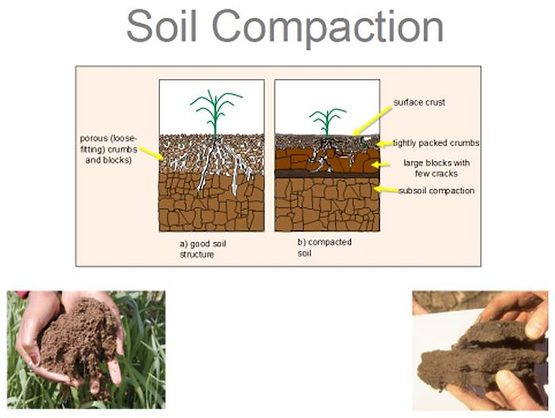
One of the biggest drawbacks of rotary tillers is the hard pan they create. Because a tiller’s tines spin horizontally, they smear the soil at the bottom of the working depth. Over time that layer becomes dense and water-resistant, making it harder for roots and rainwater to penetrate.
A power harrow works differently:
- Vertical rotor action. Instead of horizontal chopping, the vertical tines stir and crumble soil without creating a compacted layer.
- Better soil structure. The result is a fine, level seedbed with open pore space for water infiltration and root growth.
The bottom line: a power harrow breaks up hard pan instead of making it worse—ideal for vegetable growers, organic farms, and anyone serious about long-term soil health.
2. Rocks? No Problem—Thanks to Slip Clutch Protection
Rocky ground is where power harrows really earn their keep.
- Independent vertical rotors lift and move rocks to the surface instead of dragging them sideways.
- Slip clutch driveline (or optional cam clutch) protects the gearbox and rotors. When a tine hits a big rock, the clutch momentarily slips, absorbing the shock and preventing broken tines, bent shafts, or expensive downtime.
- The stones end up on top, where they can be removed or left as a natural mulch depending on your system.
This mechanical “shock absorber” is a major advantage over standard tillers, which can stall or suffer damage when they meet buried rocks.
3. A Seedbed Ready in One Pass
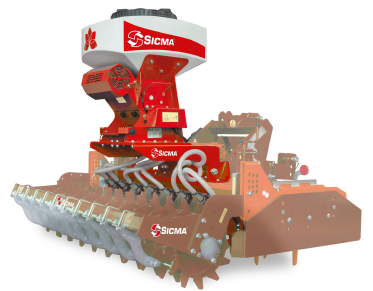
Because power harrows loosen and level simultaneously, many operators finish seedbeds in a single pass. Add a roller or a seeder attachment, and you can prepare and sow in one trip—saving fuel, time, and compaction.
4. Long-Term Payback
Power harrows often cost more up front than rotary tillers, but the return shows up quickly:
- Fewer passes and less fuel
- Lower maintenance thanks to the slip clutch
- Healthier soil structure that boosts yields year after year
For many growers, that makes a power harrow the lower-cost tool over the life of the machine.

The Takeaway
Rotary tillers still have a place for quick garden prep or light mixing, but when soil structure, hard pan, and rocks enter the picture, power harrows are the modern solution. They protect the soil, shrug off stones, and create a perfect seedbed in fewer passes.
At Agri-Can Supply, we carry professional Italian power harrows built for Western Canadian conditions. Whether you’re managing heavy clay, rocky ground, or aiming for premium organic production, a power harrow can help you get there—without the hidden costs of soil compaction.